
7 Key Factors to Consider When Selecting a Pump
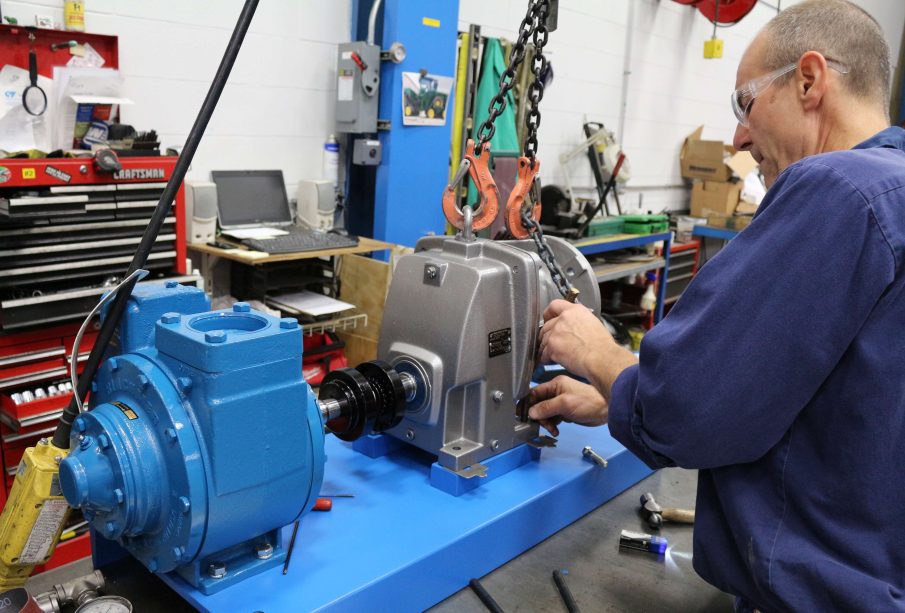
Selecting the appropriate pump to use in an application is not a matter of simply picking the first pump that appears in a search query but rather one that guarantees maximum performance, reliability of the system, and cost efficiency in the long run. Pumps are also an inherent part of industrial, municipal, agricultural, and commercial systems, and improperly chosen pumps may cause frequent failures and unplanned downtimes as well as expensive repairs. In order to circumvent such traps, experts consider a number of important issues prior to a purchase.
Flow Rate
The flow rate determines the amount of fluid a pump has to push in a given time and this is usually measured in gallons per minute (GPM) or litres per second (L/s). For Choosing Pumps for Construction Managers, it is essential to compare the pump’s capacity with the flow rate required by the system to ensure efficient operation. Excessive estimation may result in wastage of energy and high cost of operation, whereas underestimation may result in starvation and under-performance of the system. The initial flow requirement must be accurately determined, as it forms the foundation for the rest of the pump selection procedure.
Pressure Requirements
The pressure requirements show the force that the pump must provide to force fluid through the system. This includes the required operating pressure and maximum pressure that the system is to be able to withstand. Selecting a model that is incapable of matching these conditions can lead to premature wear or system failure and a model with an unjustifiably high rating might cost more but not perform better.
Fluid Characteristics
It is important to know the nature of the fluid that is being pumped. These are viscosity, temperature, chemical composition and the presence of solids. Liquids that are highly viscous or abrasive require a high-strength design whereas corrosive liquids need pumps that are of resistance grade. Comparing these characteristics to the design of a pump will guarantee the durability and dependability of the equipment.
Pump Efficiency
The efficiency of a pump is one that determines the amount of energy used and the costs of operation. The pumps have a high level of efficiency that will use less input power to generate more hydraulic energy, which translates to reduced energy bills in the long term. Analysis of efficiency and anticipated duty cycles also assists businesses in the selection of models with the best performance and cost ratio.
Materials of Construction
The materials applied in the building of the pump should match the fluid and environmental factors. Indicatively, corrosive/abrasive fluids need robust parts that are not affected by wear. The choice of appropriate materials helps to avoid excessive wear of the pump, minimise the number of its repairs, and increase its working performance.
System Design and Specification.
The pump size in the overall system is important. This consideration includes space specifications, pipe sizes, installation issues, and compatibility with current infrastructure. Connectivity with a system should flow smoothly to ensure that there are no collisions in the process of installation and running the system to enhance its performance.
Serviceability and Maintenance.
Lastly, the design in terms of maintenance and serviceability can also play a crucial role in the viability of a pump in the long-run. Pumps with simple parts to service and understand the steps involved reduce downtime and maintenance expenses. Also, the availability of dependable support and spare parts leads to long-term performance during the lifespan of the pump.