
Why Preventive Maintenance Saves Businesses Money
Introduction
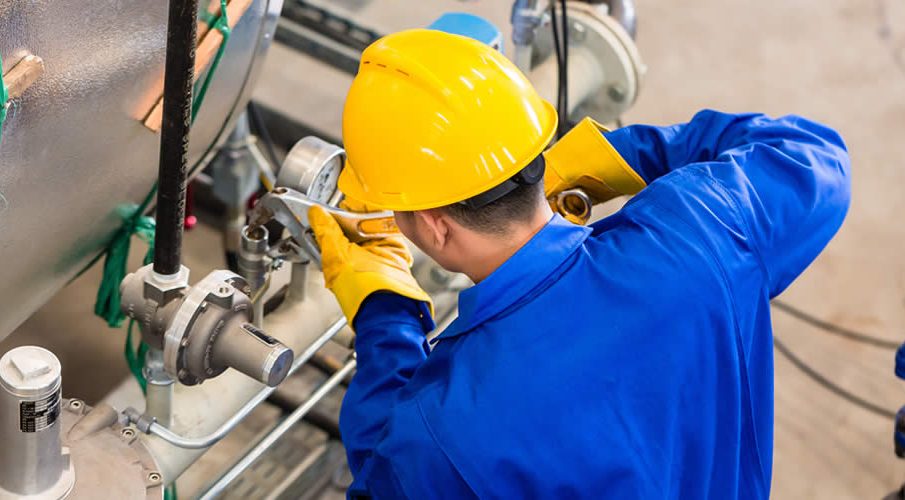
Preventive maintenance involves regularly inspecting, servicing, and repairing equipment or infrastructure before major issues develop. Many businesses depend on buildings, machinery, vehicles, and facilities for daily operations, and neglecting their upkeep can lead to unexpected breakdowns, costly repairs, and operational disruptions. By addressing potential problems early, organizations can avoid downtime and maintain consistent performance. proactive asset maintenance helps businesses reduce long-term costs, improve efficiency, and extend the overall lifespan of their assets.
Reducing Expensive Repairs
Preventive maintenance has one of the largest financial gains in the form of reducing the cost of expensive repairs. Minor problems like little leaks, loose parts or impending wear can be resolved promptly when contained at their initial stages.
When these issues are not addressed, they can escalate into severe failures that will demand critical repairs or even replacement. These problems can be detected earlier through regular maintenance and at a very low cost, businesses are able to counter them.
Enhancing Service Life of Equipment.
Important investments include business equipment and infrastructure. Preventive maintenance contributes to the preservation of these investments since it ensures that systems operate effectively, over a longer time. As an example, maintenance of heating and cooling systems, electrical equipment and machinery will avoid unnecessary wear and tear. Firms that take good care of their properties are able to postpone the costly replacements and achieve the maximum out of their investment. Most of the present-day facilities use building management systems that are designed by corporations like Honeywell to monitor the equipment performance and automatically schedule the maintenance operations.
Enhancing Operational Effectiveness.
Equipment and facilities are efficient when they are well-maintained. What machines are serviced regularly also work well and use less energy than machines that are not maintained. It is not only the efficient operations that lower the cost of energy but also enhance productivity. Employees are able to work without any disruptions due to machine breakdowns or system failures, which may result in businesses continuing to continue performing consistently.
Avoiding Unforeseen Outage.
Sudden unavailability is very expensive to the business. Failure of equipment or facilities can also occur abruptly which means that operations will come to a halt until the equipment is repaired. Preventive maintenance helps reduce this risk by eliminating the possible issues before they lead to disruptions. Facilities like the International Facility Management Association highlight that regular checkups and maintenance scheduling are some of the strategies that prevent interruption of operations in an organisation.
Increasing Safety and Compliance.
Equipment and facilities are also maintained, which enhances the safety of the workplace. Broken machinery, deteriorated structures, or faulty systems may pose dangerous conditions to the employees and even customers. Frequent checks will make sure that the safety system, electrical installations, and building constructions are not damaged. This assists the businesses in adhering to the safety standards and minimizes chances of accidents or lawsuits.
In favour of Long-Term Financial Planning.
Preventive maintenance will enable the businesses to budget on costs of maintenance better. Companies can also plan maintenance operations as maintenance costs instead of having to deal with unexpected and uncontrollable maintenance costs. This is a foreseeable maintenance strategy, which makes businesses manage their finances to operate more effectively and eliminate the financial burden associated with urgent repairs.