

Synthetic Turf Installation: What Property Owners Should Expect
Setting Expectations from the Start
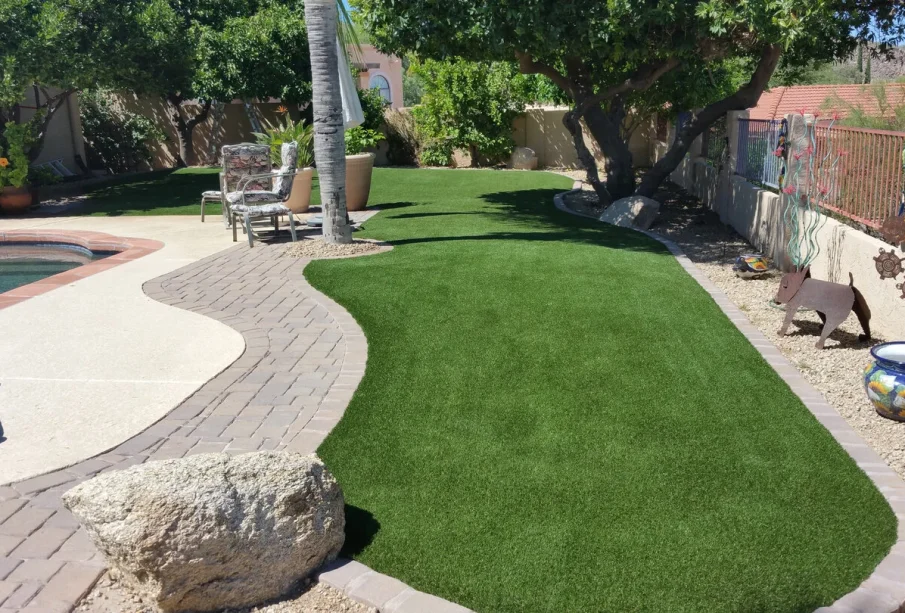
Installing synthetic turf is a practical way to create a low-maintenance, visually consistent outdoor space, but understanding the process is key to achieving the best results.
Professional synthetic grass installers follow a structured approach to ensure the surface performs well over time. For property owners, knowing what to expect before, during, and after installation helps avoid surprises and ensures the investment delivers long-term value.
Site Assessment and Planning
The process begins with a detailed site assessment. Experienced synthetic grass installers evaluate the condition of the existing surface, drainage requirements, and how the space will be used. This stage is essential for identifying any groundwork needed, such as removing existing turf, levelling uneven areas, or addressing drainage issues. Proper planning ensures the final surface is not only visually appealing but also functional and durable.
Ground Preparation Matters
Preparation is one of the most important stages of any installation. Once the area is cleared, installers typically create a stable base using compacted materials designed to support the synthetic grass. This foundation helps prevent movement, sinking, or uneven surfaces over time. Skilled synthetic grass installers take care to ensure the base is level and properly compacted, as this directly impacts the longevity and performance of the finished area.
Precision Installation Techniques
With the groundwork complete, the synthetic turf is carefully laid and secured. This stage requires precision to ensure seams are discreet and the surface appears natural.
Professional synthetic grass installers align the fibres consistently and secure the edges to prevent lifting or shifting. Infill materials may also be applied to help maintain the structure of the grass and enhance its resilience under foot traffic. Attention to detail during installation is what separates a high-quality result from an average one.
Ensuring Effective Drainage
A key advantage of synthetic turf is its ability to remain usable in various weather conditions, but this depends heavily on proper drainage. Reputable synthetic grass installers design the system to allow water to pass through efficiently, preventing pooling or water buildup. This is particularly important for commercial properties or high-use areas, where consistent usability is essential regardless of weather.
What Happens After Installation
Once installation is complete, the area is ready for use almost immediately. However, property owners can expect some minor finishing steps, such as brushing the fibres to achieve a natural look. Professional synthetic grass installers may also provide guidance on simple maintenance practices to keep the surface in good condition. While synthetic turf requires far less upkeep than natural grass, occasional cleaning and care will help preserve its appearance over time.
A Long-Term Investment in Performance
Choosing experienced synthetic grass installers is critical to ensuring the success of your project. Quality installation not only enhances the appearance of your outdoor space but also ensures durability and consistent performance. By understanding the installation process and working with professionals who prioritise preparation and precision, property owners can feel confident in their decision to invest in synthetic turf as a long-term solution.


