

What Makes a Coffee Table a Worthwhile Investment Piece?
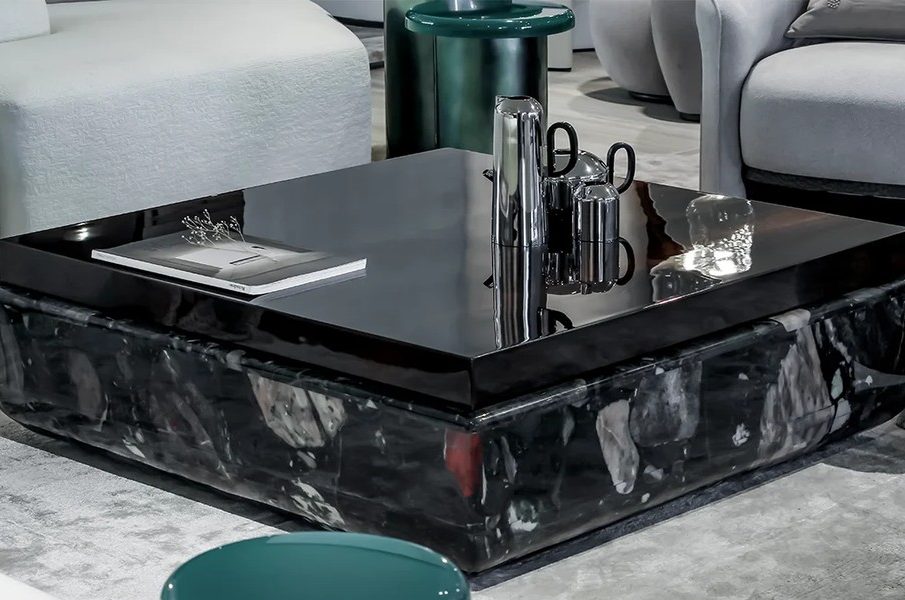
A coffee table rarely gets the spotlight it deserves. It sits quietly at the centre of your living space, holding your mugs, books, remote controls, and sometimes your entire evening routine together. Yet, when chosen well, it can do far more than fill a gap between the sofa and the television. It can become a long-term investment-both in style and in function.
Not every coffee table earns that label. Some are purely practical, others are trendy but short-lived. The difference lies in how well the piece balances durability, design, and relevance over time. If you are considering putting real thought and budget into your next purchase, here is what actually makes a coffee table worth the investment.
1. Timeless Design Over Passing Trends
Let’s be direct: trend-driven furniture ages quickly. What looks stylish today can feel outdated in a couple of years. A high-quality coffee table avoids that trap.
Investment pieces tend to lean towards timeless design. Think clean lines, balanced proportions, and neutral finishes. Materials like solid wood, stone, or metal in understated tones tend to outlast bold colours or overly intricate detailing.
This does not mean your coffee table has to be boring. It simply means it should not scream a specific design trend tied to a single moment. A well-chosen piece should still look appropriate five or even ten years from now, even if the rest of your décor evolves.
2. Quality Materials That Age Gracefully
The material is where the real value begins to show. A coffee table made from high-quality materials does not just last longer-it often looks better with age.
Solid hardwoods such as oak, walnut, or teak develop character over time. Natural stone surfaces like marble or travertine bring a level of durability and visual depth that cheaper alternatives struggle to replicate. Even metals, when properly treated, can maintain their finish for years without significant wear.
Contrast this with flat-pack furniture made from particleboard or thin veneers. While affordable upfront, these pieces are prone to chipping, warping, and general wear that becomes obvious quite quickly.
An investment coffee table is not about spending more for the sake of it. It is about choosing materials that justify the cost through longevity and resilience.
3. Craftsmanship That Holds Up
Beyond materials, craftsmanship plays a critical role. You can have premium wood, but if the joinery is weak or the construction is rushed, the table will not stand the test of time.
Look for details like:
- Sturdy joints (dovetail or mortise and tenon, for example)
- Smooth finishes without rough edges
- Stable, well-balanced legs
- Drawers or moving parts that operate seamlessly
These details may seem minor at first glance, but they determine how the table performs over years of daily use.
A well-crafted coffee table feels solid. It does not wobble, creak, or shift under pressure. That sense of stability is often the clearest indicator that you are dealing with a piece designed to last.
4. Functional Versatility
A good coffee table does more than sit there looking attractive. It works hard.
Versatility is a key factor in determining long-term value. A table that adapts to your needs will remain useful even as your lifestyle changes.
Some features that add functional value include:
- Built-in storage for magazines, remotes, or blankets
- Lift-top designs that double as work or dining surfaces
- Nested tables that can be rearranged as needed
- Open shelving for display and accessibility
If your coffee table can serve multiple purposes, it reduces the need for additional furniture. That is not just practical-it is cost-efficient over time.
5. Proportion and Fit Within Your Space
Even the most beautifully designed coffee table loses its appeal if it does not fit your space properly.
An investment piece should feel intentional within the room. That means considering scale, height, and placement in relation to your seating.
A few general principles:
- The table height should align closely with your sofa seat height
- It should be proportionate to the size of your seating area
- There should be enough clearance around it for comfortable movement
When a coffee table fits seamlessly into your layout, it enhances the overall flow of the room. That sense of balance contributes to its long-term value because it continues to work, even if you rearrange or update other elements.
6. Adaptability Across Interior Styles
Another sign of a worthwhile investment is adaptability. A strong coffee table design should not lock you into one specific aesthetic.
For example, a simple wooden table can sit comfortably in a modern, Scandinavian, rustic, or even industrial setting with minor styling changes. The same cannot be said for highly stylised pieces that only suit one look.
This flexibility is crucial if you enjoy refreshing your interiors from time to time. Instead of replacing your coffee table every few years, you can update the surrounding décor while the table remains a constant anchor.
7. Statement Value Without Overpowering
There is a fine line between a statement piece and a dominating one.
An investment coffee table often has a distinct presence-it draws attention without overwhelming the room. This could come from a unique material, an interesting shape, or subtle design details.
For instance, a sculptural base or a beautifully grained wood surface can elevate the entire space. The key is balance. The table should enhance the room, not compete with everything else in it.
8. Ease of Maintenance
A practical but often overlooked factor is maintenance. A coffee table that requires constant care can quickly become more trouble than it is worth.
Investment pieces tend to use finishes that are easier to clean and maintain. Sealed wood, treated stone, or powder-coated metal surfaces are generally more forgiving when it comes to spills and daily use.
If a table can handle the occasional coffee spill or accidental scratch without showing immediate damage, it is far more likely to remain in good condition over time.
9. Long-Term Cost Efficiency
It might sound counterintuitive, but spending more upfront can save money in the long run.
Cheaper coffee tables often need replacing after a few years due to wear or changing trends. A well-made investment piece, on the other hand, can last a decade or more with minimal issues.
When you break it down, the cost per year of use is often lower for a higher-quality table. Add to that the reduced hassle of replacement, and the value becomes even clearer.
10. Emotional and Aesthetic Value
Finally, there is something less tangible but equally important: how the piece makes you feel.
A worthwhile investment is not just about durability or function. It is also about connection. A coffee table that you genuinely enjoy using and looking at adds to your daily living experience.
It becomes part of your routines-morning coffee, evening relaxation, casual conversations with friends. Over time, it stops being just furniture and becomes part of your home’s identity.
Final Thoughts
A coffee table might seem like a small decision in the grand scheme of furnishing a home, but it plays a surprisingly central role. It anchors your living space, supports your daily habits, and contributes to the overall aesthetic.
A worthwhile investment piece is not defined by price alone. It is the result of thoughtful design, quality materials, solid craftsmanship, and practical functionality. It adapts, endures, and continues to deliver value long after the initial purchase.
In short, the right coffee table does not just fill space-it earns its place.


