
When a Heating System Falters, the Smallest Clues Often Matter Most
In Douglas, a search for Douglas heating repair often begins when a house feels colder than usual, a furnace starts making unfamiliar noises, or the thermostat seems unable to maintain the selected temperature. These symptoms may appear minor at first, but they can reveal developing problems with airflow, electrical components, ignition systems, or the way a heating unit responds to demand. Understanding what these warning signs mean helps homeowners make better decisions about maintenance, repairs, and long term comfort.
A heating system rarely operates in isolation. Its performance depends on the thermostat, air filter, blower, ductwork, and, in fuel burning equipment, the combustion and exhaust components. A problem in one area can affect the entire system. Recognizing those connections is the first step toward finding the actual cause rather than repeatedly addressing the symptoms.
The Difference Between a Minor Glitch and a Developing Fault
A heater that switches on and off repeatedly may be responding to a restricted filter, a thermostat problem, an incorrectly sized system, or a safety control interrupting operation. Similarly, a furnace that runs continuously without warming the rooms properly could be struggling with airflow, heat transfer, or heat loss through the building.
The pattern of the fault often provides useful information. A system that fails to start presents a different diagnostic challenge from one that starts normally but produces insufficient heat. An experienced technician can use these distinctions to narrow down the possible causes before replacing components.
Several warning signs deserve attention.
- Uneven temperatures between rooms may indicate duct leakage, blocked registers, poor airflow, or differences in insulation.
- Repeated clicking or unsuccessful ignition attempts can point toward ignition, control, or fuel supply problems.
- A blower that runs without delivering warm air may indicate a heating cycle problem or an issue with the equipment’s controls.
- Unexpected increases in energy consumption can suggest reduced efficiency, excessive runtime, or changing household heating demands.
- Burning or electrical smells require caution, particularly when accompanied by smoke, visible damage, or repeated breaker trips.
A single symptom rarely identifies the failed part with certainty. Proper diagnosis involves checking the equipment’s operating sequence and measuring performance rather than relying on guesswork.
What Happens During a Proper Heating Inspection
A useful repair visit should establish why the system failed, whether the fault has affected other components, and what is needed to restore dependable operation. Simply restarting the furnace may provide temporary relief without correcting the underlying issue.
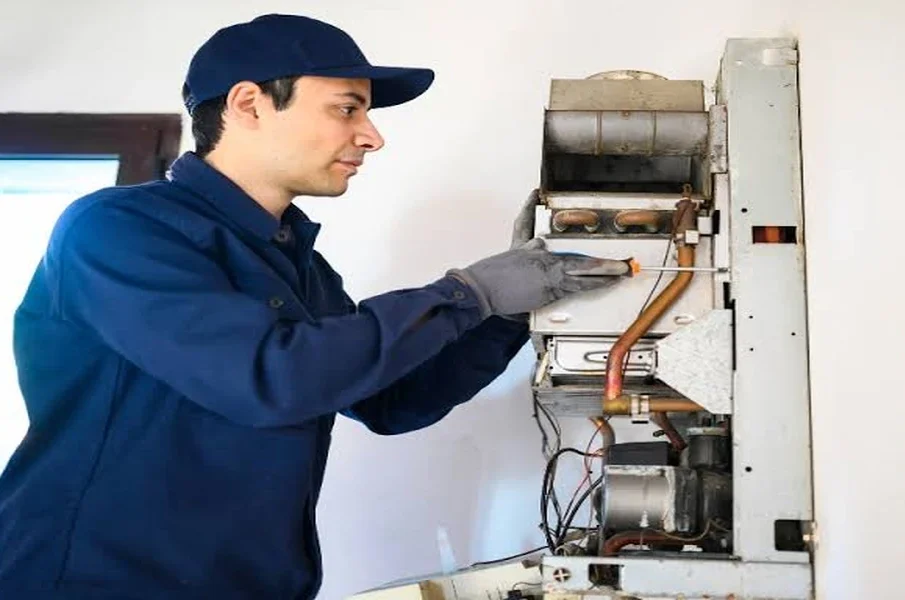
The inspection usually begins with the thermostat settings, electrical supply, filter condition, and visible equipment components. The technician then evaluates the relevant parts of the heating system according to the type of equipment installed.
For a furnace, this may involve checking the ignition sequence, blower motor, flame sensor, safety switches, and temperature rise. For a heat pump, the investigation may focus on refrigerant performance, reversing valves, outdoor coils, electrical controls, and defrost operation. These systems use different methods to produce heat, so their diagnostic procedures are not interchangeable.
Ductwork also deserves attention. A furnace can generate sufficient heat while damaged or poorly connected ducts prevent that warmth from reaching occupied rooms. In such cases, replacing the furnace would not necessarily solve the comfort problem.
Homeowners should ask for a clear explanation of the findings, the proposed repair, and any additional work that may become necessary. A transparent diagnosis makes it easier to compare repair costs with the expected remaining life of the equipment.
The Safety Questions That Should Never Be Overlooked
Heating performance matters, but safe operation takes priority over temperature control. Fuel burning equipment can create carbon monoxide when combustion or exhaust systems are defective. This gas has no colour or smell, so a household cannot rely on its senses to detect exposure.
The US Environmental Protection Agency explains the risks associated with damaged furnaces, obstructed flues, and improperly vented combustion appliances in its guidance on combustion products.
If a carbon monoxide alarm sounds, everyone should leave the building immediately and seek emergency assistance from a safe location. Do not re-enter until authorities confirm it is safe. Suspected gas leaks also require immediate action according to the local gas utility’s emergency instructions.
Other warning signs include persistent electrical burning smells, visible smoke, damaged wiring, and unusual overheating. Switch off equipment only if it is safe to do so, and avoid opening sealed compartments or attempting repairs involving gas lines, electrical controls, or combustion components.
Annual professional inspection is particularly important before the heating season begins. It allows technicians to identify deterioration, verify ventilation, and assess safety controls before the equipment faces sustained demand. Carbon monoxide alarms provide an additional layer of protection, but they do not replace proper inspection and maintenance.
Small Maintenance Decisions Can Prevent Larger Disruptions
Not every heating problem begins with a failed mechanical component. Some develop gradually because routine maintenance has been overlooked. A clogged filter, obstructed return grille, or neglected outdoor heat pump coil can affect airflow and force equipment to work harder.
The US Department of Energy’s filter installation guidance explains how restricted filters can reduce airflow, increase furnace runtime, and contribute to motor wear.
Homeowners can reduce avoidable problems through a few straightforward habits.
- Check the air filter regularly and replace it according to the manufacturer’s instructions and actual operating conditions.
- Keep supply registers and return grilles clear of furniture, rugs, and other obstructions.
- Check thermostat settings and batteries where applicable before assuming the heating equipment has failed.
- Keep the area around indoor and outdoor equipment free from stored objects and debris.
- Arrange professional maintenance before periods of heavy use rather than waiting for a breakdown.
These measures are not substitutes for technical repairs. Their value lies in preventing simple restrictions and neglected maintenance from developing into more expensive problems.
Repairing an Older System Requires a Different Kind of Judgment
Age alone does not determine whether a heating system should be repaired or replaced. The more useful question is whether the proposed repair represents sensible value given the equipment’s condition, operating costs, reliability, and expected remaining service life.
A relatively modern furnace with a failed sensor or blower component may be an excellent repair candidate. An older unit experiencing repeated breakdowns, substantial corrosion, poor efficiency, or a major heat exchanger problem requires a broader assessment.
Replacement decisions should account for more than the purchase price. Equipment sizing, duct condition, installation quality, fuel or electricity consumption, and future maintenance requirements all influence the long term outcome. An oversized system, for example, may cycle too frequently and deliver inconsistent comfort.
It is worth obtaining an itemised estimate that separates diagnostic charges, labour, parts, and any recommended additional work. Ask whether the repair includes testing after installation and whether the replacement component carries a warranty. If replacement is proposed, request the reasoning behind that recommendation and compare it with the likely cost and reliability of repairing the existing equipment.
Local Service Matters When the Weather Changes
For residents and businesses in the Wenatchee Valley, access to a technician familiar with local heating needs can make seasonal planning easier. Xtreme Heating and Cooling, based in East Wenatchee, Washington, serves Douglas County and neighbouring communities with heating repairs, furnace installation, preventive maintenance, ductless HVAC services, and commercial heating and cooling support. The company also advertises round-the-clock emergency service for urgent HVAC problems. Its service information is available through the Xtreme Heating and Cooling website.
When arranging a visit, explain what the equipment is doing, when the symptoms began, and whether the problem occurs continuously or only during certain cycles. Mention any recent thermostat changes, unusual sounds, or previous repairs. These details can help the technician prepare for the appointment and investigate the fault more efficiently.
A dependable heating system is not simply one that produces warm air when switched on. It should maintain reasonable indoor temperatures, operate safely, distribute heat effectively, and respond consistently to changing conditions. Paying attention to early warning signs, maintaining accessible components, and insisting on evidence-based diagnosis can help homeowners avoid unnecessary replacements while protecting comfort throughout the heating season.


