
Five Chicago Buildings and Five Very Different Moves
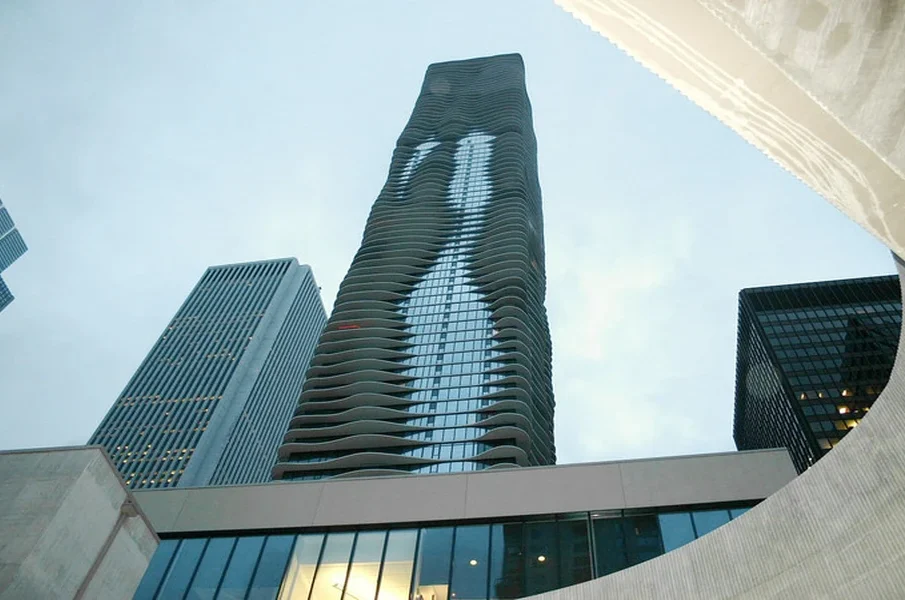
People talk about “moving in Chicago” as if it were one activity. It is not. A move out of a lakefront high-rise has almost nothing in common with a move into a brick two-flat in Pilsen, and the surprises that trip up a household in one building would never occur in another. Choosing expert movers in Chicago starts with knowing which kind of building you are dealing with, because that decides the truck, the crew, the paperwork and the schedule. So here is a walking tour of five building types, with the quirks each one brings to moving day.
The Greystone and the Two-Flat
These solid, narrow buildings are the backbone of many neighborhoods, and they come with stairs: a steep front staircase, a tight interior flight and sometimes a rear porch stack that doubles as the real entrance. Hallways are narrow, ceilings are high and the turn at the landing is where large furniture gets stuck.
Measure before anything else. A sofa that came in through a front window decades ago may not be coming out any other way, and a mattress or sectional that fails the turn at the landing can add hours. Ask the crew whether they will disassemble bed frames and tables, and tell them honestly how many flights are involved, including any in the basement. Back porches also deserve a check, since older wooden stairs and railings should be sound before heavy loads cross them.
The Courtyard Building
The classic courtyard apartment building, common on the North and Northwest sides, has a charm that does not extend to parking. A truck often cannot reach the entrance directly, so crews carry items a long way, and a smaller shuttle vehicle may be needed. Many of these buildings also have rules about weekday hours, protection for hallway floors and where the truck may stand.
Talk to the building manager or board early. Ask what hours are allowed, whether a deposit or certificate of insurance is required, and how long the loading area can be occupied. Giving your movers the answers in advance prevents delays that are expensive to fix on the day.
The High-Rise
Downtown and lakefront towers are the opposite problem: plenty of space once you are in, but a lot of procedure getting there. Most require a reserved freight elevator, a certificate of insurance from the moving company, floor and wall protection and strict time windows. Miss your slot and the next one may be days away.
Submit paperwork as early as the building permits, and confirm the elevator reservation in writing a few days before. Check the loading dock height and the clearance for your truck, and ask whether the building limits what hours of the day moves can happen. Keep in mind that in a tall building, even a short delay stacks up, because every trip means waiting for an elevator.
The Bungalow and the Single-Family Home
The brick bungalows and houses across the Southwest and Northwest sides look simple by comparison, and they often are. There is room for a truck, a driveway or alley to stage in, and fewer flights to carry. The challenges are different: narrow basement stairs, tight attic access and detached garages full of stored belongings that nobody has counted in years.
Alley access is a Chicago specialty. Many homes are served by the rear alley, which can be quicker for loading but may have overhead wires, parked cars or ice. Walk the route with the crew if you can, and clear obstacles beforehand. In winter, salt and shovel the walks and any steps well before the truck arrives.
The Loft and the Converted Warehouse
Industrial conversions have freight elevators, concrete floors and enormous windows, all of which sound ideal for moving until you meet the details. Elevators may be old, slow or limited in weight capacity. Doorways can be wide but oddly placed, and some units sit at the end of long corridors that no cart handles gracefully.
Ask the management about elevator capacity and hours, and measure large pieces against the door and the elevator cab. If you own anything oversized, such as a big art piece or a heavy table, tell the movers up front so they can bring the right equipment.
Rules That Apply Everywhere
Whatever building you are in, a few points carry across. Parking a truck on a city street may require a permit, and in many areas the city posts temporary signs ahead of time, so check the process early with the relevant city department. Weather matters in any season, with winter bringing ice and snow and summer bringing heat and crowded moving weekends.
Licensing matters even more. In Illinois, companies moving household goods within the state generally must hold a license, and the Illinois Commerce Commission explains the requirement and how to check a company’s status on its household goods movers page. Verify that any company you are considering is licensed and insured before you sign, and ask for a written estimate that describes the services and fees clearly. Moves between states fall under federal oversight, so check with the appropriate federal agency in that case.
Matching the Move to the Building
The best way to use this tour is to describe your building to every mover you call. Tell them the type, the number of flights, the parking situation, any elevator rules and the largest items you own. A company that asks follow-up questions, offers to do a walkthrough and explains how they will protect floors and walls is already thinking about your building, not just a number on a truck.
A move is a long list of small logistics, and in Chicago the building tends to write the list. Find out what yours demands, share that with the people you hire and the day itself will feel far more routine than the buildings suggest.