Does White Vinyl Fencing Last Ten San Diego Summers?
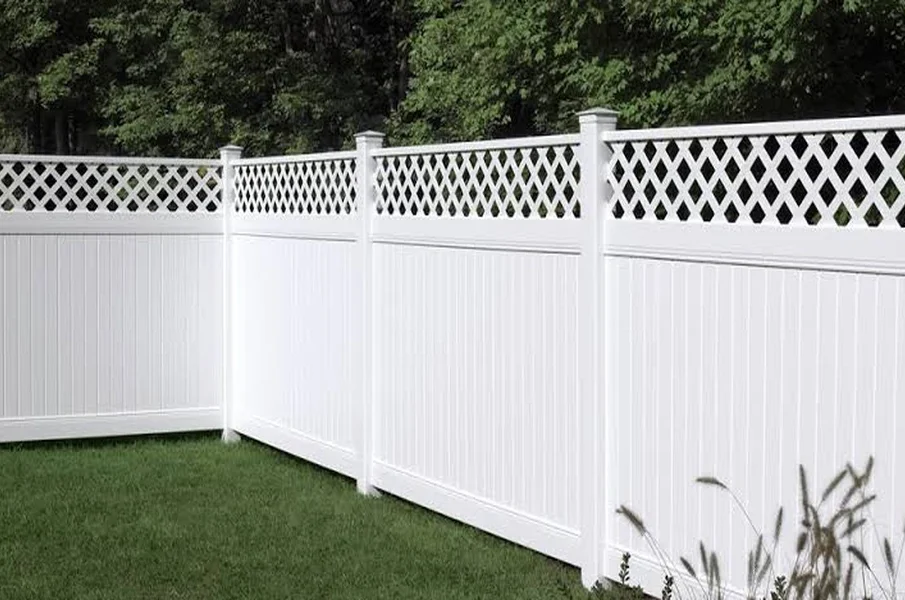
Every vinyl fence looks perfect on install day. The panels are bright, the caps sit square and the whole run has that clean, straight line that made you choose it over wood in the first place. The real test comes later, after a few August heat waves, a couple of gloomy coastal Junes and at least one Santa Ana weekend that bends the palms sideways.
Some fences come through all of that looking almost unchanged, while others yellow, lean or crack within a handful of years, and homeowners comparing San Diego vinyl fences rarely see that difference in a brochure. One family business in Escondido, licensed with the state and working in the trade for more than two decades, even offers consultations devoted only to vinyl, which says a lot about how many questions the material raises once people look past the showroom sample.
The clearest way to answer them is to follow a single fence through its first ten years and watch where things go right or wrong.
Install Day Decides the Next Decade
Most of a vinyl fence’s future is locked in before the first panel goes up. Vinyl itself is not structural in the way wood is. The strength comes from the posts, the concrete around them and the reinforcement hidden inside the rails.
Posts on a privacy run are usually five by five inches and set in concrete deep enough to resist leverage from wind pushing on a solid wall. The bottom rail on a good fence carries an aluminum stiffener inside it, because without one the rail slowly bows under the weight of the boards and the panel starts to smile. Better systems also slide rails into routed pockets in the posts rather than screwing brackets to the surface, which leaves room for the material to move.
The vinyl matters too. Quality products are made from virgin PVC rather than recycled filler, and many are co-extruded, with a weather resistant outer layer bonded over the core. Reputable manufacturers test their profiles against ASTM F964, the industry standard for vinyl fencing. Before signing anything, it is worth asking a few plain questions.
- Is the vinyl virgin PVC and does the profile meet ASTM F964?
- Does the bottom rail have a metal insert?
- How deep will the posts be set, and how far apart?
- Does the warranty cover labor or only the material?
The First Real Heat Wave
Vinyl grows in the sun. PVC expands noticeably more than wood as it warms, so a long run of fence can gain a surprising fraction of an inch between a cool morning and a scorching afternoon. Well designed rails float slightly inside their post pockets to absorb that movement. When an installer cuts rails too tight, the fence has nowhere to go and bows or pops loose on the hottest days.
Color plays a bigger role here than most people expect. White and almond reflect heat and stay stable. Darker shades absorb far more, and in the inland valleys around Escondido, Ramona and El Cajon, where summer afternoons run well past the coast, a dark brown or gray panel can soften enough to sag if it is not built for that color.
There is also a strange modern culprit. Energy efficient windows with low emissivity coatings can bounce a concentrated beam of sunlight onto a nearby fence, and that focused glare has been known to warp vinyl in a neat, window shaped patch. If a section of new fence faces a neighbor’s large south or west windows, that spot is worth watching through the first summer.
When the Marine Layer Settles In
Closer to the coast, the challenge flips from heat to dampness. Weeks of morning fog keep shaded faces of a fence damp for hours, and the north side of a vinyl run in Carlsbad or Encinitas can grow a green film of algae or mildew within a season or two. It looks like the vinyl is failing, but it is sitting on the surface.
A soft brush with mild soap and water clears most of it. A diluted vinegar solution handles the stubborn spots and also lifts the chalky white rings that hard San Diego water leaves behind when sprinklers hit the panels every morning. Pressure washers work if held back and kept on a low setting, while abrasive pads and harsh solvents scratch the finish and make the next round of grime cling even faster. Redirecting a sprinkler head or two is often the single easiest fix.
Santa Ana Weekends
Solid privacy panels act like sails. When dry offshore winds come through in the fall, a six foot vinyl wall catches the full force, and the weak points show up fast. Shallow posts lean, unreinforced gates rack out of square, and panels sometimes slip out of their rails entirely on exposed ridgelines.
Homes in windy spots often do better with semi privacy designs, where narrow gaps between boards or a lattice top let some air pass through without giving up much screening. Closer post spacing and gate frames with aluminum inserts help as well.
Those same wind events carry wildfire risk, and vinyl’s behavior in a fire is worth understanding honestly. Fire Safe Marin’s guidance notes that vinyl resists ember ignition better than wood but can still melt and burn when flames or radiant heat reach it. For homes near open brush, many fire experts suggest a short noncombustible section, such as a metal panel or gate, where the fence meets the house, with vinyl beginning a few feet out.
Years Five Through Ten
This is where cheaper vinyl starts to separate from the good stuff. Quality profiles contain titanium dioxide and UV inhibitors that shield the surface from San Diego’s relentless sun. Products skimping on those additives begin to chalk, yellow or turn brittle, and a brittle panel can crack from a stray soccer ball, a mower deck or a careless weed trimmer.
The upside of vinyl’s slide together design is that one damaged board or rail can usually be swapped without rebuilding the run, provided the profile is still available. That makes it smart to keep a record of the manufacturer and style from day one. Warranties deserve the same attention. Many vinyl products carry long or lifetime material coverage, yet that promise often excludes labor and sometimes depends on proof of professional installation. Knowing whether the coverage transfers to a new owner can also matter when the house eventually sells.
What Ten Summers Really Reveal
By the end of a decade, the difference between a fence that still gleams and one that looks tired rarely comes down to luck. It traces back to choices made on the first day, from the depth of the posts and the metal inside the bottom rail to the color picked for an inland yard. After that, a little attention does the rest. A rinse when the coastal grime builds up, a look along the line after a big wind and a sprinkler aimed somewhere else are small habits, and they are usually what keeps a white fence looking like it went in last spring.