PACKING ARTWORK AND ANTIQUES: PROTECTING PRECIOUS ITEMS
You cannot just shove artwork into a moving box.
A painting might be delicately framed!
An antique table may have loose joints!
A vintage décor piece might feature fragile materials!
That means, these items are more prone to pressure, moisture, or abrupt movement. Moreover, they hold historical, financial, or sentimental value. So they must be moved with utmost care.
Here is how to pack them:
Assess each item
Don’t grab the packing materials without first looking at what you have. Inspect:
- Paintings for loose frames
- Sculptures for delicate areas
- Antiques for weak joints or damage.
This helps you determine how each item needs to be treated. Do not think that two parts of similar material can be packed in the same way. Consider each item’s:
- Form
- Condition
- Quality of construction.
It can be helpful to take pictures of valuable items before packing. This will document their condition.
Use materials that match the item
Using the wrong packing material is even more harmful. Use:
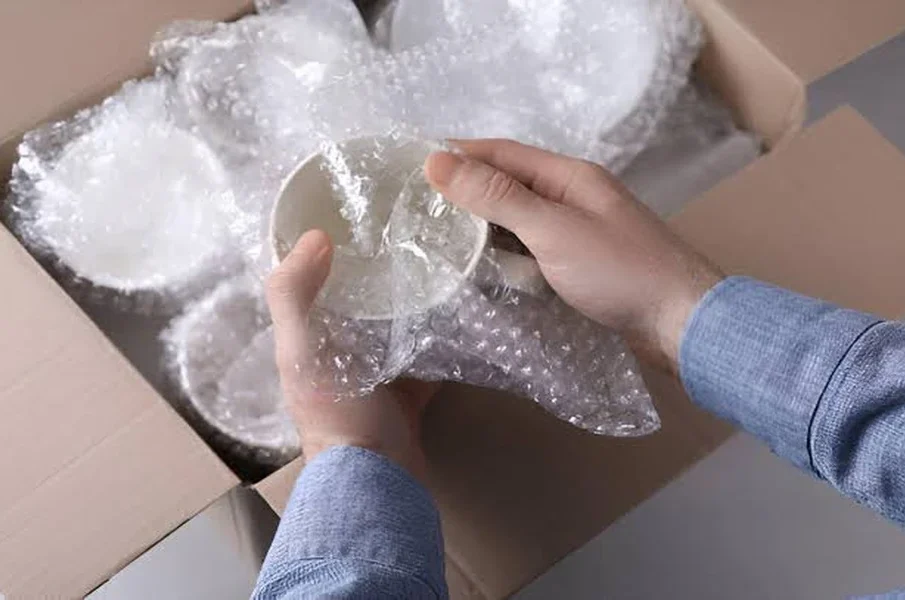
- Bubble wrap for fragile items
- Acid-free tissue paper for some delicate surfaces
- Corner protection for framed artworks.
Even so, safe handling depends on the item’s material and finish. Do not leave bubble wrap on sensitive painted or polished surfaces for long periods.
Use extra protection on framed artwork
Use more protection for framed artwork, including:
- Paintings
- Prints
- Photographs.
They can be susceptible to:
- Pressure
- Punctures
- Breakage
- Scratches.
Carefully wrap and cover the corners of the frame. If the artwork is valuable or especially fragile, build a rigid protective layer. The intention is to avoid direct pressure on the painting during handling.
Treat each antique as it is
Just because something is an “antique” does not make it more durable. Older furniture may be weaker at the joints. Some older items have fragile finishes.
So, cover exposed surfaces and corners. Avoid placing heavy objects on delicate pieces. Drawers and removable parts should also be strapped in place or secured in some other suitable way to prevent movement during transport.
If you are working with several valuable pieces, you can lessen the load with the AAA Moving professionals. The important thing is to communicate what you are moving and identify pieces that require additional care before moving day.
Prevent movement inside the box
Even if an item is well packaged, it can still be harmed during the move. Especially if it is allowed to move around inside the wrapping. Fill empty spaces with appropriate materials.
However, don’t overfill it. An overly tight box can exert undue pressure on delicate surfaces.
Be mindful of the weather
Artwork and antiques may be sensitive to the environment. Don’t leave delicate objects exposed to the weather. That is, rain or extreme heat during transport.
Store them in a clean, dry place if possible. Also, don’t delay loading or unloading.
Label everything clearly
To ensure that fragile artwork or antiques are handled properly throughout the transport, mark the boxes carrying them. Labels can also indicate whether a product needs extra care and which side should stay upright.
Summing up
Artwork and antiques are precious items. Moving them requires careful planning and regulated handling. It is best to hand over this job to professional movers who have handled such items before.