Granule Loss vs. Normal Wear: When Shingle Shedding Signals an Impending Structural Failure
Asphalt shingles naturally shed some granules over time, but excessive or accelerated loss can signal deeper roofing problems. Understanding the difference between normal wear and warning-level deterioration helps homeowners avoid costly structural damage.
What Do Granules Actually Do?
Granules act as a protective layer on asphalt shingles. They shield the roof from UV rays, improve fire resistance, and help regulate temperature exposure. When granules are lost, the underlying shingle material becomes exposed and vulnerable.
Normal Granule Wear
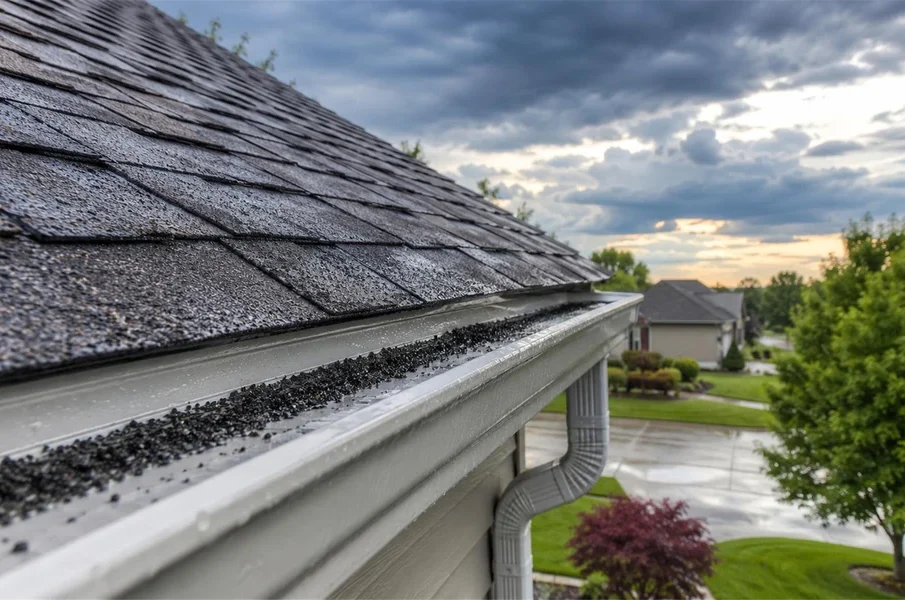
Some granule loss is expected, especially in newer roofs or after installation. Light shedding often appears in gutters or downspouts during the early life of a roof. This is typically not a concern if it stabilizes over time.
Warning Signs of Excessive Granule Loss
When granule loss becomes heavy or consistent, it may indicate aging or damage. Key warning signs include:
- Bare patches on shingles
- Granules accumulating heavily in gutters
- Discoloration or uneven roof appearance
- Increased brittleness or cracking
These signs suggest the protective surface is breaking down faster than normal.
When Granule Loss Becomes Structural Risk
Excessive shedding exposes the asphalt layer beneath, which accelerates roof aging. This can lead to curling shingles, leaks, and reduced weather resistance. Once the protective layer is compromised, the roof becomes more vulnerable to heat, moisture, and storm damage.
Causes of Accelerated Granule Loss
Several factors can speed up deterioration, including:
- Severe weather exposure
- Poor attic ventilation
- Low-quality or aging shingles
- Improper installation or roof stress
These conditions can shorten the roof’s lifespan significantly.
How to Differentiate Normal vs. Serious Wear
The key difference lies in consistency and progression. Normal wear is gradual and minimal, while structural warning signs show rapid, uneven, or widespread loss of granules.
Regular roof inspections help identify this shift early.
Final Thoughts
Granule loss is a natural part of roof aging, but excessive shedding should not be ignored. When combined with other warning signs, it may indicate impending structural failure. Monitoring changes over time is essential for preventing leaks, damage, and costly roof replacement.
This post was written by a professional at Coastal Brothers Roofing. Coastal Brothers Roofing is a family-owned Tampa roof installation company offering expert re-roofing and repair services. Whether you need a roof replacement in Tampa, FL, or maintenance, we install premium shingles, tile, metal, and low-slope systems, including products from Tamko and Owens Corning. Our team also provides gutter, soffit, fascia, and emergency tarping. Trusted as one of the best residential roofing companies near you, we deliver durable, high-quality roofing systems built for Florida’s climate.