
Retractable Awning Screens in Dallas: Designing a More Flexible Outdoor Living Area
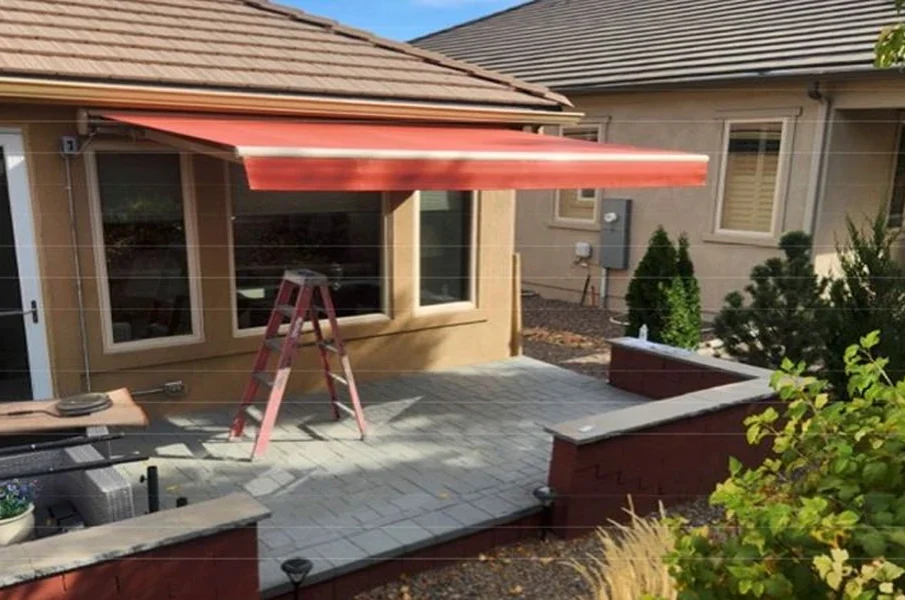
Outdoor spaces do not have to function the same way throughout the day. A patio that feels open and comfortable in the morning may become less inviting when direct sunlight reaches the seating area or insects become more active later on. Instead of permanently enclosing the space, homeowners can explore adjustable features that allow the patio to respond to changing conditions. Retractable awning screens in Dallas can be considered as part of a broader approach to creating a more adaptable outdoor living environment.
Homeowners interested in upgrading a patio or covered outdoor area can click here to explore available screen, awning, and outdoor shade options. Before deciding what belongs in a particular space, it helps to identify the specific conditions that interfere with its use. Sun direction, patio orientation, nearby landscaping, furniture placement, privacy, and household routines can all influence which type of adjustable feature makes sense.
Start With the Problem, Not the Product
It is easy to begin an outdoor improvement project by browsing products, but homeowners may get more useful direction by first identifying what they want to change.
Perhaps a patio receives uncomfortable afternoon sun. Maybe insects become distracting around dinner. A neighboring property could also make one side of the space feel less private than homeowners would prefer.
These situations are different, even if they affect the same patio.
Writing down the times and conditions that make the outdoor area less enjoyable can help homeowners determine which openings or sections deserve the most attention.
Divide the Patio Into Activity Zones
A large patio rarely serves only one purpose.
One section might contain a dining table, another may have lounge furniture, and a third could function as a walkway between the house and yard. Treating the entire patio as one uniform space can overlook these differences.
When considering retractable awning screens in Dallas, homeowners can map the patio according to activity.
The dining area may need different coverage from the seating area. Meanwhile, frequently used entrances should remain convenient for people moving between indoor and outdoor spaces.
Planning around zones can make an adjustable system feel more connected to everyday routines.
Observe Changing Sun Angles
Sunlight rarely enters a patio from exactly the same direction all day.
A roof or overhang may provide useful midday shade while doing little against lower-angle sunlight later in the afternoon. Different sides of the patio can therefore experience very different conditions.
Homeowners can observe where direct sunlight reaches the space during the hours they commonly spend outdoors.
Instead of checking only whether the patio is sunny, note which chairs, tables, doors, or other areas receive the strongest exposure.
These observations can provide practical information when deciding where adjustable shade or screening could be useful.
Think Beyond Summer Afternoons
Outdoor improvement decisions are often made during the hottest or most uncomfortable part of the year.
However, the patio may be used differently during other seasons.
There may be days when homeowners want as much openness and natural light as possible. At other times, additional shade or screening may make the space more comfortable for a particular activity.
Retractable features provide flexibility because they do not necessarily need to remain in the same position every day.
Thinking about several seasons can help homeowners avoid designing the entire patio around one temporary condition.
Consider Entertainment Areas
Outdoor televisions, speakers, dining areas, and conversation spaces can create their own design considerations.
Glare may affect the visibility of a television at particular times. Guests sitting in one location may receive more direct sunlight than people sitting elsewhere.
Homeowners considering retractable awning screens in Dallas can evaluate the patio from the perspective of someone actually using these areas.
Sit in the chairs. Look toward the television. Stand near the grill or outdoor kitchen. Observe the space from the dining table.
This provides a more realistic picture than evaluating the patio only while walking around it.
Keep Important Views in the Plan
Homeowners often invest in outdoor living spaces because they enjoy the connection to their backyard.
Landscaping, gardens, pools, or open areas may provide views that should remain part of the experience.
Before adding screening or shade features, identify which sightlines are most important.
The view from a favorite chair may matter more than the view from an unused corner. Similarly, homeowners may want greater privacy along one side while keeping another side visually open.
Thinking about views and privacy together can help establish priorities for different parts of the patio.
Look at the Existing Structure
Adjustable outdoor features need to work with the physical structure already in place.
Columns, beams, rooflines, walls, openings, doors, and other architectural components can influence installation possibilities.
Homeowners should also identify outdoor lighting, electrical features, ceiling fans, cameras, or other equipment located around the proposed installation area.
A professional evaluation can determine how retractable awning screens in Dallas may fit the actual dimensions and configuration of a particular outdoor space.
Accurate planning is especially important when patios include irregular openings or multiple architectural elements.
Consider How the Patio Connects to the House
The relationship between the patio and interior rooms can influence outdoor design.
A patio directly outside the kitchen may experience constant traffic during meals. One connected to a living room could function more like an extension of the indoor entertainment space.
Doors and large windows can also create important sightlines from inside.
Homeowners can stand in adjacent rooms and look toward the patio before making design decisions.
This perspective can help them understand how new outdoor features may appear from inside the house and whether they complement the existing architecture.
Think About Controls and Everyday Convenience
Motorized or retractable systems are most useful when homeowners feel comfortable operating them.
Before choosing a system, ask how it is controlled and what normal daily operation involves.
Households should also consider who will use it.
If several family members regularly spend time outside, everyone who needs access should understand the basic controls and recommended operating procedures.
Product documentation should be stored somewhere convenient after installation so homeowners can easily reference operating and maintenance guidance when needed.
Coordinate With Future Patio Projects
Outdoor living areas frequently change over time.
Homeowners may eventually install new flooring, update furniture, add an outdoor kitchen, replace patio doors, modify landscaping, or improve lighting.
These plans are worth mentioning before installing adjustable shade or screening features.
A future built-in grill or cabinet could change how one portion of the patio is used. New doors could alter traffic patterns, while a larger furniture arrangement might shift the primary seating area.
Considering future improvements can help homeowners choose a setup that remains practical as the space evolves.
Avoid Treating Every Opening Identically
Symmetry can be visually appealing, but outdoor conditions are not always symmetrical.
One opening may face a neighboring property. Another may receive strong sunlight, while a third overlooks an attractive section of the backyard.
Homeowners do not necessarily need identical priorities for every side.
Instead, each opening can be evaluated according to exposure, view, privacy, traffic, and surrounding architecture.
This approach helps retractable awning screens in Dallas become part of a customized outdoor plan rather than a one-size-fits-all addition.
Create an Outdoor Space That Can Change With You
The most useful patios can accommodate different activities and conditions without requiring homeowners to completely rearrange the space. Morning coffee, afternoon relaxation, outdoor meals, and evening gatherings may each create different needs for shade, screening, privacy, and openness. Retractable awning screens in Dallas can provide homeowners with additional flexibility when designing around these changing routines.
For homeowners exploring ways to make a patio more adaptable, Conservation Motorized Screens and Awning of Dallas can evaluate the existing outdoor area and discuss options based on its structure, exposure, and intended use. Designing around real activities rather than a single condition can help create an outdoor space that remains useful for most of the day and across different times of the year.