7 Signs You Need Professional Air Duct Sealing Services
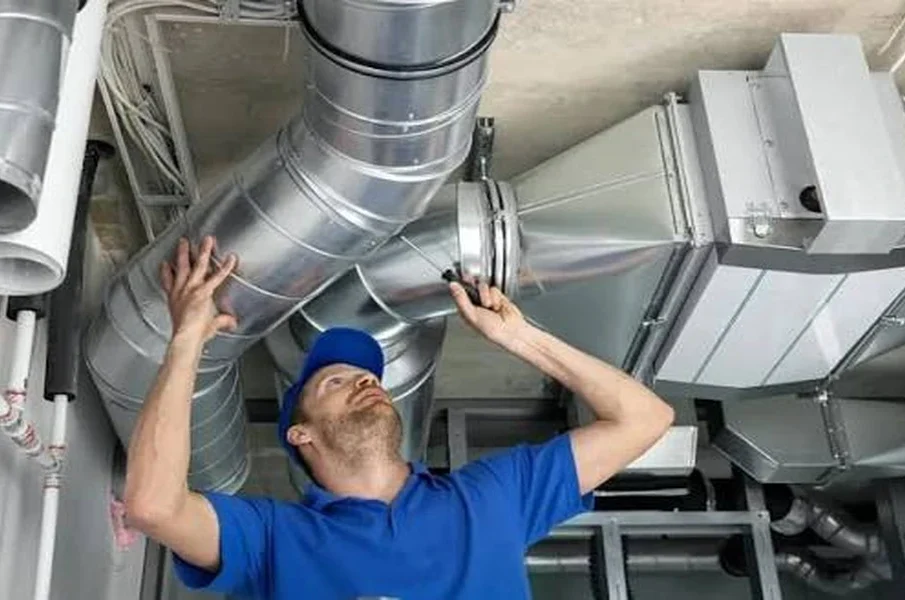
A comfortable indoor environment depends on more than a good air conditioning system. Your home’s ductwork also plays an important role in keeping rooms cool and maintaining good airflow. Air ducts carry conditioned air from your HVAC system to different parts of your home. However, small gaps, loose connections, and cracks can allow air to escape before it reaches its destination. This can affect comfort, energy use, and indoor air quality. Many homeowners do not notice duct problems because most ductwork is hidden behind walls, ceilings, or in attics. Over time, these issues can become more serious. Knowing the warning signs can help you identify problems early and decide when professional help is needed. Here are seven common signs that your home may need professional air duct sealing services.
1. Higher Energy Bills Without a Clear Reason
An unexpected increase in your monthly energy bills may indicate a problem with your ductwork. When air escapes through gaps or cracks, your HVAC system must work harder to maintain the temperature set on your thermostat. This means the system may run longer and use more electricity than necessary. You might notice higher bills even when your daily habits have not changed. Other factors, such as weather conditions and equipment age, can also affect energy costs. However, leaking ducts are worth checking when energy use keeps increasing. Knowing the warning signs can help you identify problems early and understand when professional duct sealing services in West Melbourne, FL may be needed to improve your home’s airflow and comfort.
2. Uneven Temperatures Between Rooms
Do some rooms in your home feel colder or warmer than others? Uneven temperatures can be a sign of damaged or poorly sealed ductwork. For example, your living room may feel comfortable while a bedroom remains warm throughout the day. This can happen when leaks prevent enough conditioned air from reaching certain areas. Blocked vents, insulation problems, and HVAC system issues can also cause uneven temperatures. Start by checking that furniture or other objects are not blocking the vents. If the problem continues, have your ductwork inspected. A professional can check for leaks, loose joints, and other airflow problems. Sealing damaged sections can help improve air distribution and create a more consistent temperature throughout your home.
3. Weak Airflow From Vents
Weak airflow is another common warning sign of ductwork problems. When you place your hand near an air vent, you may notice that the air feels weaker than it used to. This can happen when air escapes through openings in the duct system before reaching the room. Damaged ducts, dirty filters, blocked vents, and mechanical problems can also reduce airflow. Replacing a dirty air filter is a useful first step. However, if airflow remains weak after basic checks, the ductwork may need attention. A trained technician can inspect the system and locate possible leaks. Professional sealing helps prevent air loss and allows the HVAC system to deliver conditioned air more effectively.
4. Excessive Dust Around Your Home
If you notice dust building up quickly on furniture, shelves, and other surfaces, your ductwork may be contributing to the problem. Gaps in certain duct sections can allow dust and particles from attics, crawl spaces, or other unconditioned areas to enter the airflow. These particles may then spread throughout your home. However, household dust also comes from carpets, clothing, pets, and outdoor sources. Therefore, dusty surfaces do not always mean your ducts are leaking. Pay attention to other signs, such as weak airflow or unusual temperature differences. If several problems appear together, consider arranging a duct inspection. Sealing unwanted openings can help limit the entry of dust from surrounding spaces and support cleaner indoor air.
5. Strange Smells Coming From Air Vents
Unusual smells coming from your air vents may indicate a problem with your duct system. You might notice musty, dusty, or stale odors when the air conditioner starts running. In some cases, leaking ducts can pull air from areas where odors, moisture, or contaminants are present. Moisture inside or around ductwork can also contribute to musty smells and possible mold growth. However, unpleasant odors may come from dirty filters, drain problems, or other HVAC components. Do not assume that sealing alone will solve the issue. A professional should inspect the system and identify the source of the smell. Any moisture or mold problem should be addressed before sealing the affected duct sections.
6. Your HVAC System Runs Constantly
An HVAC system that runs for unusually long periods may be struggling to maintain the desired indoor temperature. Leaking ducts can contribute to this problem because some of the heated or cooled air never reaches the rooms where it is needed. As a result, your system may continue running to compensate for the lost air. This can increase energy consumption and place additional strain on system components. First, check your thermostat settings and air filter. If the system still runs constantly, a duct inspection may be helpful. A technician can examine connections, joints, and damaged sections to identify air leaks. Fixing these issues can improve airflow and help your HVAC system operate more efficiently.
7. Visible Damage Around Duct Connections
Sometimes, ductwork problems are easier to identify through a visual inspection. If you can safely access exposed ducts in your attic, basement, or utility area, look for loose connections, disconnected sections, damaged insulation, or visible gaps. You may also notice old or peeling duct tape around joints. These problems can allow conditioned air to escape and reduce overall system performance. Avoid climbing into unsafe spaces or touching electrical components while checking your ductwork. Some damage may also be hidden inside walls or ceilings. Professional technicians have the tools and experience to inspect these areas. They can determine which sections need repair or sealing and check whether the duct system has other problems.
Why Professional Air Duct Sealing Matters
Air duct sealing is an important part of maintaining an HVAC system. Properly sealed ducts help reduce air loss, support balanced airflow, and improve indoor comfort. They can also help prevent unwanted dust and air from entering through duct openings. Homeowners looking for duct sealing services in West Melbourne, FL should understand that a proper inspection is the first step. A qualified technician can use suitable testing methods to identify leaks and assess the condition of the ductwork. Depending on the problem, sealing may involve approved materials or specialized sealing equipment. Regular HVAC maintenance, timely filter changes, and periodic duct inspections can also help keep the system in good working condition.
Final Thoughts
Your home’s ductwork has a direct impact on indoor comfort and HVAC performance. Rising energy bills, uneven temperatures, weak airflow, unusual odors, and visible damage can all point to possible duct leaks. While some issues may have other causes, ignoring repeated warning signs can lead to unnecessary energy waste and ongoing comfort problems. Paying attention to these signs and arranging a professional inspection when needed can help you identify problems early. Proper duct sealing supports better airflow, reduces air loss, and helps your HVAC system deliver comfortable air throughout your home.
Add a stronger local service call to actionReduce repetition across the seven signs